Email: arjgeniux@gmail.com | Call: +918013 31 1313

Email: arjgeniux@gmail.com | Call: +918013 31 1313

Course Short Name: Electrician Course
Course Code: ARJ0161
Course Type: Diploma
Duration: 1 Year
Eligibility: 10th/12th
The course is usually divided into Trade Theory (knowledge and concepts) and Trade Practical (hands-on skills), supported by foundational subjects.
This module builds the theoretical foundation of electricity and electrical systems.
Electrical Fundamentals (DC & AC Theory):
Basic Concepts: Definitions of Charge, Potential Difference (Voltage), Current, Resistance, Power, and Energy.
Laws: Detailed study and application of Ohm's Law and Kirchhoff's Laws to DC circuits (Series and Parallel).
AC Circuits: Introduction to Alternating Current (AC) concepts, terms (Frequency, RMS Value, Power Factor), and simple single-phase circuits.
Electrical Materials and Components:
Conductors and Insulators: Types, properties, and selection of different conducting and insulating materials.
Cables and Wires: Various types of cables (e.g., PVC, Armoured, UG Cables), wire joints, crimping, and soldering techniques.
Resistors and Capacitors: Types, color coding, grouping (series and parallel), and basic application.
Magnetism and Electromagnetism:
Principles of magnetism, magnetic circuits, and the laws of Electromagnetism (e.g., Faraday's Laws).
Concept of Self and Mutual Induction.
Batteries and Cells:
Types of cells (Primary and Secondary), Lead-Acid Cell construction, charging and discharging principles, and maintenance.
Basic Measuring Instruments:
Working principle and usage of essential tools like Multimeters, Ammeters, Voltmeters, Wattmeters, and continuity testers.
This is the most critical component, focusing on workshop safety and actual wiring practice.
Safety and Workshop Practice:
Safety Rules: Rigorous training on electrical safety, use of Personal Protective Equipment (PPE), and identifying safety signs.
First Aid: Emergency response, including artificial resuscitation and handling electrical shock.
Tools: Proper handling and maintenance of common electrician hand tools (pliers, screwdrivers, strippers, crimping tools, hacksaws, etc.).
Basic Wiring and Installation:
Joints and Soldering: Practice making various types of permanent and temporary wire joints.
Domestic Wiring: Practical exercises on wiring systems like PVC conduit, casing-capping, and cleat wiring for domestic installations (e.g., stair-case wiring, godown wiring).
Installation of Accessories: Connecting switches, sockets, distribution boards, MCBs (Miniature Circuit Breakers), and ELCBs/RCCBs.
Illumination: Wiring and testing different types of lights (Filament, Fluorescent Tube, LED fixtures).
Earthing and Grounding:
Understanding the importance of earthing (grounding).
Practical work on installing Pipe and Plate Earthing systems.
Introduction to Electrical Machines:
Basic testing, connection, and troubleshooting of single-phase motors and small transformers.
These subjects provide supporting skills essential for the trade.
Engineering Drawing (ED):
Interpretation of electrical symbols and standard drawing conventions.
Drawing of circuits, wiring diagrams, and freehand sketches of electrical components.
Workshop Calculation & Science (WCS):
Applied mathematics related to the trade (e.g., fractions, ratio, percentage, basic algebra).
Calculations related to resistance, power, area, volume, and material science (mass, weight, density).
Employability Skills:
Basic communication skills.
Introduction to IT/Computer basics.
Safety, health, and environmental education.
This 1-year diploma aims to certify you as a qualified Electrician/Wireman ready for employment in residential, commercial, or small-scale industrial settings.
Would you like to know about the career prospects after completing this 1-year diploma?
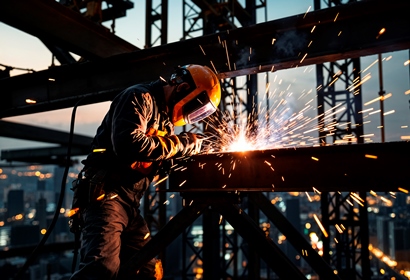
Course Short Name: Welding Course
Course Code: ARJ0162
Course Type: Diploma
Duration: 1 Year
Eligibility: 10th/12th
The course is generally divided into Trade Theory (the science and knowledge) and Trade Practical (the hands-on skill development), along with supporting subjects.
This is the most time-intensive component, involving continuous practice in the workshop.
Safety and Tools:
Workshop Safety: Strict adherence to safety practices in welding (PPE, fire prevention, ventilation).
First Aid: Handling minor burns, cuts, and electric shock.
Tools: Proper selection, use, and maintenance of welding tools (tongs, chipping hammer, wire brush, measuring tools, etc.).
Welding Processes:
Shielded Metal Arc Welding (SMAW / Stick Welding):
Identification and selection of various electrodes (e.g., E6010, E7018).
Preparation of welding joints (square butt, lap, tee, corner, etc.).
Practice welding in all positions: Flat (1G/1F), Horizontal (2G/2F), Vertical (3G/3F), and Overhead (4G/4F).
Gas Welding (Oxy-Acetylene Welding - OAW):
Setting up gas welding equipment, safety in handling cylinders and regulators.
Practice on straight bead, corner, and lap joints.
Cutting and Preparation:
Thermal Cutting: Techniques for Oxy-Acetylene Cutting (OAC) for ferrous metals.
Grinding and Bevelling: Preparing and cleaning metal surfaces before welding.
Inspection and Testing:
Visual inspection of welds for defects (undercut, porosity, lack of fusion).
Practice on simple destructive testing (e.g., bend tests, nick-break tests).
This module covers the necessary technical background for the practical work.
Welding Fundamentals:
Classification of welding processes and their applications.
Welding positions and standard joint nomenclature.
Understanding the properties of metals (ferrous and non-ferrous).
Welding Machines and Equipment:
Working principle of AC and DC welding machines.
Understanding electrode coatings and their functions.
Arc length, polarity, current, and voltage control.
Gas Welding Theory:
Types of flames (neutral, oxidizing, carburizing) and their uses.
Filler metals and fluxes used in gas welding.
Welding Defects:
Causes, identification, and remedies for common welding defects (cracks, distortion, spatter).
Basic Metallurgy:
Effects of heat on metals during the welding process.
These subjects provide supporting skills essential for a welder.
Workshop Calculation & Science (WCS): Basic applied mathematics related to the trade (e.g., units, area, volume, fractions, material density).
Engineering Drawing (ED): Interpretation of welding symbols on blueprints and basic sketching of joint designs.
Employability Skills: Basic communication, computer literacy, and environmental concepts.
This diploma prepares you to work as an entry-level Welder or Fabricator in construction, manufacturing, automobile repair, and general metal fabrication workshops.

Course Short Name: Carpenter Course
Course Code: ARJ0163
Course Type: Diploma
Duration: 1 Year
Eligibility: 10th/12th
A 1-year Diploma in Carpenter Works (often structured similarly to an ITI or vocational Carpenter course) is a hands-on training program focused on the fundamental skills required for wood and timber fabrication, joinery, and installation used in construction and furniture making.
The syllabus heavily emphasizes practical workshop skills, safety, and understanding various types of wood and materials.
The course is typically divided into Trade Theory (knowledge and concepts) and Trade Practical (hands-on skills), supported by foundational subjects.
This is the main component, dedicated to developing proficiency with tools and accurate joinery.
Safety and Workshop Practice:
Safety Rules: Proper use of Personal Protective Equipment (PPE) and safe operation of woodworking machinery (e.g., circular saw, bandsaw, thickness planer).
Hand Tools: Detailed training in the use, sharpening, and maintenance of essential carpentry hand tools (saws, planes, chisels, hammers, braces, and bits).
Measurement and Marking:
Accurate reading and use of measuring instruments (tape measures, squares, levels, marking gauges).
Techniques for marking out and transferring dimensions onto timber.
Timber and Material Preparation:
Planing and squaring timber to correct dimensions.
Sanding, scraping, and finishing wood surfaces.
Joinery Techniques:
Practice in creating various fundamental woodworking joints, including:
Halving Joints (Tee, Cross, End)
Mortise and Tenon Joints
Dovetail Joints (through and half-lapped)
Mitre Joints
Lapping and Scarfing Joints
Basic Furniture and Structure Fabrication:
Assembling small wooden frameworks.
Fitting hinges, locks, and various types of hardware (fasteners, screws, nails).
Constructing simple items like stools, cabinets, and basic window/door frames.
This module provides the necessary technical and material knowledge for the practical work.
Timber Science:
Classification of wood: Hardwood vs. Softwood.
Structure, defects, and diseases of timber.
Methods of seasoning and preservation of wood.
Adhesives and Materials:
Types and uses of different glues, adhesives, and sealants.
Knowledge of engineered wood products (Plywood, MDF, Particle Board).
Basic knowledge of finishes (varnish, paint, lacquer).
Building Elements:
Introduction to the components of wooden doors, windows, and roof trusses.
Types of locks, hinges, and fastening devices used in carpentry.
Quantities and Estimation:
Basic methods for calculating the amount of timber and materials needed for a job.
Safety standards and relevant building codes.
These subjects provide supporting skills.
Engineering Drawing (ED): Interpretation of basic architectural and working drawings, sketching of joints, and understanding different views (orthographic, isometric).
Workshop Calculation & Science (WCS): Applied mathematics related to the trade (e.g., calculating area, volume, basic geometry, units of measurement).
Employability Skills: Basic communication, professionalism, and basic computer/IT literacy.
This 1-year diploma prepares you for roles such as a Carpenter/Joiner in construction companies, furniture manufacturing units, or small-scale fabrication workshops.

Course Short Name: Plumber Course
Course Code: ARJ0164
Course Type: Diploma
Duration: 1 Year
Eligibility: 10th/12th
The course is divided into Trade Practical (hands-on skills) and Trade Theory (technical knowledge), supported by ancillary subjects.
This module focuses on developing precise manual and technical skills essential for a qualified plumber.
Tools and Safety:
Mandatory Safety Training: Comprehensive training in Occupational Safety and Health (OSH&E), use of Personal Protective Equipment (PPE), Fire Extinguisher operation, and basic First Aid for electrical shock and burns.
Hand Tool Mastery: Proper use, care, and maintenance of all essential plumbing tools (e.g., pipe wrench, hacksaw, pipe cutter, thread dies, crimping tools, spirit level, plumb bob).
Pipe Fitting and Joining:
Pipe Preparation: Practice in measuring, cutting, deburring, and bending various types of pipes (GI, PVC, CPVC, PPR, Copper).
Threading and Jointing: Cutting internal and external threads on metal pipes using taps and dies; joining PVC/CPVC pipes using solvent cement; making leak-proof joints with sealants.
Basic Allied Skills: Practice in soldering and brazing for copper pipe work; basic Gas and Arc welding for joining different diameter metal pipes.
Water Supply Systems:
Installation: Laying pipelines for both hot and cold water distribution; installing valves, cocks, taps, and water meters.
Testing: Conducting water pressure tests to check for leaks and ensuring proper alignment.
Drainage and Sanitary Systems:
Fixtures: Installation and fixing of sanitary fixtures like Water Closets (WCs), wash basins, urinals, and kitchen sinks.
Drainage Laying: Understanding house drainage systems, installing traps (P, S, and floor traps), and laying drainage pipelines with the correct slope and alignment.
Chamber Construction: Basic knowledge and practice of constructing inspection chambers and manholes (often involves masonry/brick wall cutting practice for concealing pipes).
This module provides the cognitive knowledge behind the practical work.
Plumbing Fundamentals:
Role of the plumber, basic plumbing terminology (pipes, fittings, fixtures).
Properties, types, and uses of different pipe materials (PVC, CPVC, GI, Copper, Cast Iron).
Water Systems Theory:
Sources of water, water distribution methods (direct and indirect), and the importance of water quality and basic treatment.
Principles of Water Pressure, Flow, and Hydraulics in domestic plumbing.
Sanitation and Drainage Theory:
Working principle of traps and vent pipes (vented/unvented systems).
Design and construction of simple septic tanks and soak pits.
Advanced Concepts (Introduction):
Basics of Solar Water Heating systems and Rainwater Harvesting.
Reading and interpreting simple plumbing drawings and blueprints.
Maintenance and Repair:
Causes and remedies for common problems (leaks, blockages, corrosion).
These mandatory subjects support overall professional development.
Engineering Drawing (ED): Interpretation of standard plumbing symbols, sketching different pipe joints, and drawing basic water supply layouts.
Workshop Calculation & Science (WCS): Applied mathematics for calculating pipe lengths, material quantities, tank capacity, and basic geometry for bending pipes and laying slopes.
Employability Skills: Training in basic communication, professionalism, entrepreneurship, and basic computer literacy.
The overall goal is to produce a technician capable of performing installation, repair, and maintenance of both water supply and sanitary systems.

Course Short Name: Mason Course
Course Code: ARJ0165
Course Type: Diploma
Duration: 1 Year
Eligibility: 10th/12th
The course is divided into Trade Practical (hands-on skills) and Trade Theory (technical knowledge), along with supporting subjects.
This module involves extensive workshop practice to develop proficiency in handling materials and executing quality masonry work.
Tools and Safety:
Construction Site Safety: Rigorous training in using Personal Protective Equipment (PPE), working at heights, scaffolding safety, and identifying site hazards.
Hand Tool Mastery: Proper use, cleaning, and maintenance of essential masonry tools (trowels, spirit levels, plumb bobs, hammers, squares, chisels, measuring tapes).
Material Preparation:
Mortar Mixing: Preparing various types of mortar (cement, lime, sand) using specified mix ratios (e.g., 1:3, 1:4) and controlling consistency.
Material Handling: Safe handling and storage of cement, sand, aggregates, bricks, and blocks.
Bricklaying and Blocklaying:
Bonds: Practice laying bricks/blocks using different standard bonds: Stretcher Bond, Header Bond, English Bond, and Flemish Bond.
Plumb and Level: Constructing walls to maintain perfect plumb (vertical alignment) and level (horizontal alignment) using guides and instruments.
Corners and Intersections: Constructing accurate corners, junctions, and wall intersections.
Stonework (Basic):
Introduction to different types of stonework (e.g., rubble masonry, ashlar masonry).
Practice dressing and laying simple stone walls.
Plastering and Rendering:
Preparing surfaces for plastering.
Applying single-coat and double-coat plastering on vertical walls and ceiling surfaces.
Achieving different finishes (e.g., smooth finish, rough-cast).
Basic Concrete Work:
Mixing, pouring, compacting, and curing plain cement concrete (PCC) for simple foundations and floors.
This module provides the necessary technical understanding of materials and construction methods.
Building Materials Science:
Properties, types, and quality testing of Bricks, Blocks (AAC, Fly Ash), Stones, Sand, and Aggregates.
Detailed knowledge of Cement (types, storage, hydration) and Lime.
Construction Terminology:
Understanding common building terms related to foundations, walls, columns, beams, lintels, and arches.
Masonry Practices:
Theory behind different wall bonds and their structural advantages/disadvantages.
Understanding damp proof courses (DPC), expansion joints, and weep holes.
Estimating:
Basic methods for calculating the quantity of bricks, blocks, mortar, and plaster required for small construction jobs.
Blueprints and Drawings:
Reading and interpreting simple architectural floor plans and elevation drawings relevant to masonry work.
These mandatory subjects support overall professional development.
Engineering Drawing (ED): Sketching and interpreting common building components, symbols, and basic site layout plans.
Workshop Calculation & Science (WCS): Applied mathematics for calculating areas, volumes, material densities, and structural load basics.
Employability Skills: Training in communication, professionalism, entrepreneurship, and basic computer literacy.
This diploma prepares you for roles such as a skilled Mason/Bricklayer in building construction firms, housing projects, or self-employment as a contractor.

Course Short Name: Fitter Course
Course Code: ARJ0166
Course Type: Diploma
Duration: 1 Year
Eligibility: 10th/12th
The curriculum is usually divided into theoretical and practical components across four main areas:
| Subject Area | Key Topics Covered |
|---|---|
| 1. Trade Theory & Professional Knowledge | * Safety: Workshop safety, personal protective equipment (PPE), fire safety, first aid, and good housekeeping (e.g., 5S concept). |
| * Basic Fitting: Definition, importance, metals (ferrous and non-ferrous), their properties (hardness, malleability, ductility), and heat treatment basics. | |
| * Measuring Instruments: Steel rule, Vernier Caliper, Micrometer, Vernier Bevel Protractor, gauges, and precision measurement techniques. | |
| * Cutting Tools: Hacksaws, files (types, cuts, grades), chisels, drills, taps, and dies. | |
| * Lathe Work: Introduction to the lathe machine, basic operations like turning, facing, drilling, and threading. | |
| * Joining Methods: Riveting, soldering, brazing, and basic arc and gas welding techniques. | |
| * Pipe Fitting: Types of pipes, pipe joints, pipe bending, and fittings. | |
| * Maintenance: Lubrication, bearings, gears, and basic machine maintenance. | |
| 2. Trade Practical (Professional Skills) | * Bench Work: Marking, chipping, sawing, filing (flat, square, parallel), scraping, and surface finishing. |
| * Drilling & Threading: Drilling, reaming, counter-boring, counter-sinking, tapping (internal threads), and dieing (external threads). | |
| * Assembly: Fitting and assembling parts to close tolerances, making joints, and fastening using nuts, bolts, keys, and cotters. | |
| * Sheet Metal Work: Working with sheet metal, making various joints, and bending. | |
| * Precision Exercises: Working to high accuracy, and inspection using precision instruments. | |
| 3. Workshop Calculation & Science | * Mathematics: Units (Metric/Imperial), fractions, decimals, percentage, ratio, proportion, algebra, geometry (area and volume). |
| * Basic Physics: Mass, weight, density, speed, velocity, work, power, energy, heat, and temperature. | |
| 4. Engineering Drawing | * Drawing Basics: Lines, lettering, dimensioning, and drawing sheet layout. |
| * Projection: Orthographic projection (1st and 3rd angle), and isometric projection. | |
| * Geometrical Constructions: Drawing polygons and other shapes. | |
| * Fitter Tools: Drawing and sketching the view of common tools and simple machine parts. | |
| 5. Employability Skills (Common Module) | * Communication Skills (English & Basic Computer) |
| * Information Technology (IT) Literacy | |
| * Entrepreneurship Skills | |
| * Occupational Safety, Health & Environment (OSH&E) |
In a one-year program, the hours are heavily skewed towards practical training:
Trade Practical: Approximately 60-70% of the course duration.
Trade Theory, Workshop Calculation & Science, Engineering Drawing, and Employability Skills: The remaining 30-40%.
Many courses also include a component of On-the-Job Training (OJT) or a Group Project at the end to provide real-world industrial exposure.
Would you like to search for institutions offering this specific one-year Diploma in Fitter Works in a particular city or region?

Course Short Name: Motor Mechanic Course
Course Code: ARJ0167
Course Type: Diploma
Duration: 1 Year
Eligibility: 10th/12th
The one-year curriculum is typically divided into modules covering the main systems of a vehicle.
This initial module focuses on setting the foundation for safe and effective work in an automotive environment.
Workshop Safety (OSH&E): Safety signs, Personal Protective Equipment (PPE), basic first aid, fire extinguishers (types and use), and safe handling of fuels and lubricants.
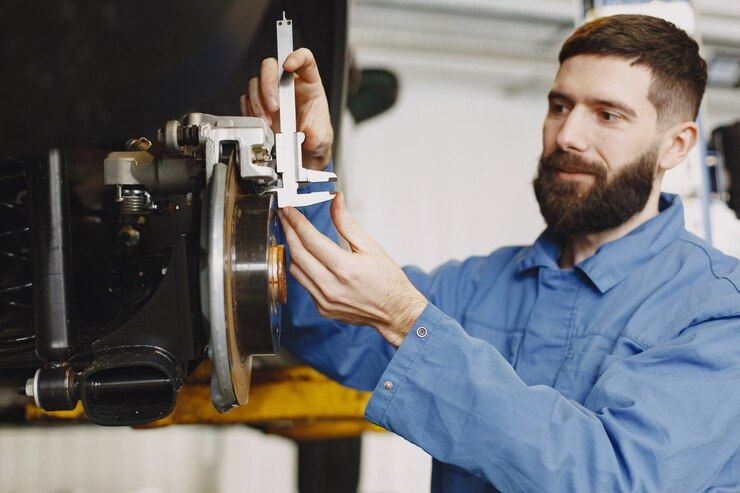
Tools & Equipment: Identification, correct use, and maintenance of all common hand tools (spanners, wrenches, torque wrenches), specialized tools, measuring instruments (micrometers, vernier calipers, feeler gauges), and workshop equipment (jacks, lifts, air compressors).
Basic Fitting & Fastening: Practice in basic bench work (filing, drilling, tapping), understanding of threads, and the use of different types of fasteners, gaskets, and sealants.
This is the largest and most critical part of the syllabus, covering both petrol (gasoline) and diesel engines.
| Component / System | Key Skills Covered |
|---|---|
| Engine Mechanics | Dismantling, checking, and reassembling the engine. Overhauling components like the cylinder head, valve train, pistons, connecting rods, and crankshaft. Checking engine compression and vacuum. |
| Fuel System | Servicing carburetors and modern Fuel Injection Systems (MPFI, CRDI). Replacing fuel filters, diagnosing fuel pressure, and servicing air cleaners. Understanding LPG/CNG systems (in some modern curricula). |
| Cooling System | Checking and replacing coolants. Diagnosing issues with the radiator, water pump, thermostat, and cooling fans. |
| Lubrication System | Understanding different oil grades (viscosity), changing engine oil and filters, and diagnosing lubrication system faults (e.g., oil pressure issues). |
| Intake & Exhaust | Servicing air filters and manifold systems. Understanding and monitoring vehicle emissions and emission control components (e.g., catalytic converters, EGR). |
This section covers the systems that transfer power from the engine to the wheels.
Clutch: Adjustment of clutch free play, dismantling, inspection, and reassembly of clutch assemblies.
Gearbox (Transmission): Principles of manual transmission. Identification of components, basic service, and repair of gearboxes.
Driveshaft & Differential: Inspection and maintenance of propeller shafts, drive axles, and the differential unit.
These are the foundational systems that control the vehicle's movement and stability.
Braking System: Servicing hydraulic and air brake systems. Dismantling, inspection, and reassembly of brake drums, shoes, pads, and cylinders. Bleeding the brake system.
Steering System: Principles of steering, maintenance of Rack-and-Pinion and Recirculating Ball steering gears. Checking and adjusting steering play.
Suspension: Inspection and repair of spring types (leaf, coil, torsion bar) and shock absorbers (dampers).
Wheels & Tires: Tyre inspection, tire rotation, basic Wheel Balancing and Wheel Alignment procedures.
Focus on the vehicle's low-voltage electrical components and wiring.
Basic Electricity: Ohm's law, circuits (series/parallel), and wiring diagrams.
Battery: Testing, charging, and maintenance of Lead-Acid and SMF (Maintenance-Free) batteries.
Charging System: Overhauling and troubleshooting the Alternator.
Starting System: Overhauling and troubleshooting the Starter Motor.
Wiring & Accessories: Diagnosing defects in fuses, relays, lights, indicators, and horns. Introduction to Electronic Control Unit (ECU) and basic use of an OBD Scanner for diagnostics.
Like most vocational diplomas, the MMV course includes foundational technical and life skills:
Workshop Calculation & Science: Basic mathematics (units, fractions, geometry), basic physics (force, torque, work, power, heat), and properties of materials.
Engineering Drawing: Reading and interpreting engineering drawings (orthographic and isometric views), sketching of machine parts and vehicle systems (e.g., cooling or fuel circuit diagrams).
Employability Skills: Communication skills, IT literacy, entrepreneurship, and professional ethics.
On-the-Job Training (OJT): Many programs mandate a period of OJT or a group project to provide practical industry experience.
Course Short Name: Diesel Mechanic Course
Course Code: ARJ0168
Course Type: Diploma
Duration: 1 Year
Eligibility: 10th/12th
The curriculum is typically divided into two semesters (or modules) over one year, with a strong emphasis on Trade Practical (hands-on skills).
This initial module sets the foundation for safe and accurate work.
| Module Area | Key Topics Covered |
|---|---|
| Occupational Safety & Health (OSH&E) | Workshop safety, PPE (Personal Protective Equipment), fire fighting (especially oil/fuel fires), first aid, and safe disposal of used oil and hazardous waste. |
| Tools and Measuring Instruments | Identification, use, and maintenance of hand tools. Precision measurement using Micrometers, Vernier Calipers, Dial Gauges, Feeler Gauges, and specialized engine measuring tools (e.g., cylinder bore gauge). |
| Basic Fitting & Fastening | Bench work practice (filing, marking, drilling, tapping). Study of threads, fasteners, gaskets, seals, and locking devices. |
| Welding | Basic practice in Arc Welding and Gas Welding for repair work on non-critical components. |
| Non-Destructive Testing (NDT) | Introduction to NDT methods (like liquid penetrant testing) to check engine components for cracks without damaging them. |
| Hydraulics and Pneumatics | Principles of fluid power, identification of components, and tracing simple hydraulic circuits (e.g., in a hydraulic jack or air brake system). |
This forms the core of the course, covering the detailed repair and service of diesel engines.
| System | Key Skills Covered (Practical Focus) |
|---|---|
| Diesel Engine Theory | Principle of the 4-stroke and 2-stroke diesel cycles. Comparison with petrol engines. Introduction to engine components and constructional details (Block, Head, Piston, Crankshaft, Camshaft). |
| Engine Overhaul & Reassembly | Dismantling, inspection, measurement, and reassembly of the cylinder head, valve train, piston/connecting rod assembly, crankshaft, and flywheel. Checking for wear and tear, and taking clearances. |
| Diesel Fuel System | Detailed study and service of the Fuel Feed Pump, Fuel Filters, Injectors, and the Fuel Injection Pump (FIP). Introduction to high-pressure modern systems like Common Rail Direct Injection (CRDI) (or Electronic Diesel Control - EDC). |
| Governors | Understanding the principle and servicing of mechanical and electronic governors that control engine speed and fuel delivery. |
| Cooling & Lubrication | Servicing the radiator, water pump, thermostat, and cooling fan. Diagnosing cooling system failures. Oil change procedures, understanding lubricants, and troubleshooting oil pressure issues. |
| Air Intake & Exhaust | Servicing the air filter. Understanding the operation and maintenance of Turbochargers and Superchargers. Basic principles of exhaust gas recirculation (EGR) and emission control. |
| Diagnosis | Performing engine vacuum tests, compression tests, and basic use of diagnostic scanners for Electronic Diesel Control (EDC) systems. |
These modules cover the essential support systems of the engine.
Electrical System: Basics of electricity (Ohm's Law), batteries (testing and charging), troubleshooting the Starter Motor and Alternator (Charging System).
Drivetrain (Introduction): Basic knowledge and simple maintenance of the clutch, gearbox (transmission), propeller shaft, and rear axle/differential.
Braking System: Basic knowledge of the hydraulic braking system and the components of an Air Brake System (common in heavy diesel vehicles).
| Subject | Focus |
|---|---|
| Workshop Calculation & Science | Applied mathematics (area, volume, percentages, speed/velocity/power). Basic physics principles (heat, materials, properties of metals). |
| Engineering Drawing | Reading and interpreting engineering drawings and blueprints. Drawing orthographic views of simple components. Sketching system diagrams (e.g., fuel injection layout). |
| Employability Skills | IT literacy, basic English communication, entrepreneurial skills, and workplace ethics. |
The final phase often includes Project Work and/or On-the-Job Training (OJT) to apply the learned skills in a real industrial setting.

Course Short Name: Painter Course
Course Code: ARJ0169
Course Type: Diploma
Duration: 1 Year
Eligibility: 10th/12th
The curriculum is broadly categorized into foundational skills, material science, and application techniques across different substrates.
This introductory module covers the non-painting trades essential for surface preparation and basic safety.
Workshop Safety & Housekeeping: Safe handling of paints, solvents, thinners, and chemicals (MSDS). Use of Personal Protective Equipment (PPE), including respirators and ventilation. Fire safety.
Basic Fitting & Allied Trades: Introduction to skills like basic carpentry (preparing wooden surfaces, simple joints), sheet metal work (making signboards/frames), and basic welding (for repair work).
Tools and Equipment: Identification, use, and maintenance of all hand tools (scrapers, putty knives, brushes, rollers) and power tools (sanders, heat guns, spray painting equipment).
Understanding the chemistry and aesthetics of painting materials.
Painting Materials:
Paints: Types (Emulsions, Enamels, Epoxy, Acrylic, Oil-based, Water-based), their components (pigments, binders, solvents, additives), and properties.
Primers and Undercoats: Their necessity, types, and application for different surfaces (wood, metal, masonry).
Putty, Fillers, and Sealants: Their composition and use for filling cracks, holes, and achieving a smooth base.
Varnishes, Lacquers, and Stains: Application on wood for protective and decorative finishing.
Color Theory and Mixing:
Color Wheel: Primary, Secondary, and Tertiary colors.
Color Harmony: Understanding warm/cool colors, contrasting colors, and tone (tint, shade, saturation).
Practical Mixing: Manual mixing and mechanical mixing devices. Achieving desired shades and consistency. Calculating the aspect ratio of paint, hardener, and solvent (especially for industrial and automotive paints).
The most critical aspect of painting to ensure durability and finish.
| Substrate | Key Preparation Techniques (Practical Focus) |
|---|---|
| Wood Surface | Cleaning, sanding, knotting, filling (putty/stopper application), and sealing. Preparing for polish, varnish, or paint. |
| Metal Surface | Cleaning, degreasing, rust removal (chemical and mechanical), grinding, and abrasive blasting basics. Applying anti-corrosive primers. |
| Wall/Masonry | Scraping, cleaning, removing old paint, patch repairs (using POP or wall care putty), and application of sealers/size coats. |
| Old/Damaged Surfaces | Removal of old coatings (stripping, sanding, heat gun), dent removal (minor), and surface recovery for repainting. |
Focus on achieving different finishes with various tools.
Brush and Roller Painting: Techniques for cutting-in, blending, even application, and avoiding lap marks on walls and large surfaces.
Spray Painting:
Types of equipment: Air Spray, HVLP (High Volume Low Pressure), and Airless spray guns.
Setting up the compressor and paint gun (pressure, nozzle selection).
Practicing stroke techniques for even coverage on different objects (furniture, machine parts, sheet metal).
Specialized and Decorative Finishes:
Application of stencils and basic screen printing.
Techniques for creating special effects (faux finishes like wood graining, marbling, metallic effects).
Introduction to Powder Coating systems (for industrial application) and its process.
Engineering Drawing: Reading simple blueprints, sketching tool diagrams, and basic layout for wall/sign designs.
Workshop Calculation: Calculating surface area, estimating material consumption (paint quantity, thinner), and basic costing.
Employability Skills: Communication, basic computer literacy, and professional ethics.
Quality Testing: Basic methods for checking paint adhesion and film thickness.
The program concludes with a focus on project work where the trainee applies all skills to a complete job, such as painting a door, a small metal item, or a wall section to industrial standards.