Details:
Year 1: Foundational & Intermediate Skills
The first year focuses on mastering the core technical skills necessary for professional garment creation.
Core Construction
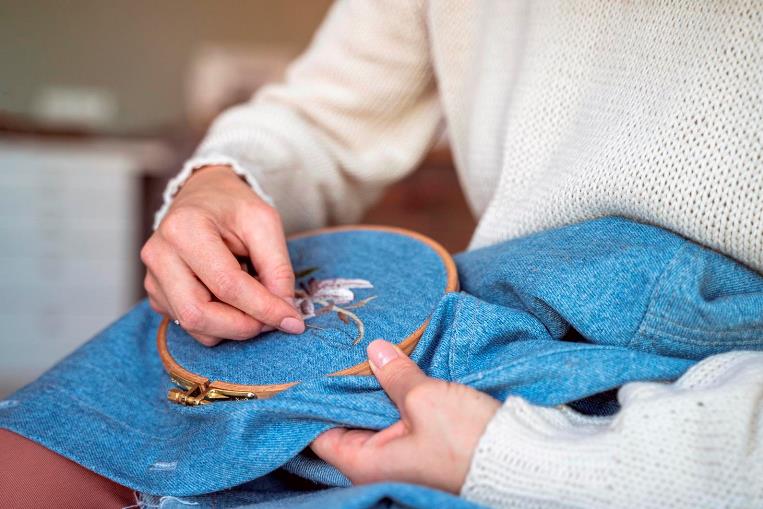
Basic and Advanced Hand Stitches: Mastery of functional and decorative stitches (e.g., slip stitch, hemming, buttonholes).
Sewing Machine Technology: Detailed study of machine parts, maintenance, and using various presser feet and attachments.
Basic Pattern Drafting & Theory: Learning to take precise body measurements and drafting foundational blocks (bodice, sleeve, skirt, trousers) for men, women, and children.
Garment Construction I (Basic): Focus on constructing fundamental garment parts like various seams, seam finishes, plackets, darts, tucks, and basic collars (e.g., Peter Pan, Chinese collar).
Textile Science I: Introduction to different fibers, yarns, fabric weaves (plain, twill, satin), and basic fabric properties.
Intermediate Drafting and Design Basics
Pattern Manipulation: Learning slash-and-spread and pivot techniques to adapt basic blocks into different styles (e.g., yokes, different necklines, variations in sleeves).
Garment Construction II (Intermediate): Construction of a wider range of garments, often including basic women's wear like Salwar-Kameez, skirts (A-line, Circular), and simple tops.
Fashion Illustration & Elements of Design: Learning to sketch fashion figures (croquis), applying color theory, and understanding how line, balance, and rhythm affect garment design.
Surface Ornamentation I: Introduction to different forms of decoration like fabric painting, printing (block printing, screen printing), and basic hand embroidery.
Year 2: Advanced Tailoring & Commercial Focus
The second year shifts the focus to complex tailoring, quality control, and the commercial aspects of the apparel industry.
Advanced Techniques & Men's Wear
Advanced Pattern Making (Menswear): Detailed drafting and grading of complex tailored garments like Men's Shirts, Trousers, and introduction to jackets/blazers.
Garment Construction III (Advanced): Mastering complex techniques such as:
Tailored Collars (e.g., notched lapels, full roll collars).
Set-in Sleeves and high-quality cuff applications.
Working with linings, interlinings, and facings for structured garments.
Precision in fitting and alterations.
Traditional Indian Embroidery: Practical modules on specific regional embroideries (e.g., Kasuti, Kantha, Phulkari, Chikankari).
Computer-Aided Design (CAD) for Apparel: Introduction to using software (like Adobe Illustrator/Photoshop) for technical flats and basic pattern grading.
Apparel Merchandising/Marketing: Basics of the fashion business, sourcing raw materials, and costing of garments.
Specialization, Production, and Project
Advanced Draping: Learning to create complex, customized patterns directly on the dress form for special occasion wear (e.g., gowns, tailored dresses).
Apparel Production & Quality Control: Study of industrial sewing machines, production lines, quality inspection methods, and different garment construction standards (industrial vs. boutique).
History of Indian & Western Costumes: In-depth knowledge of different historical fashion periods and traditional Indian textiles.
Entrepreneurship Development: Training on starting a boutique, client management, and professional presentation.
Final Project/Portfolio: This is the capstone project where students must design, draft, construct, and present a complete, curated collection of garments (often 4-6 pieces) demonstrating all the learned skills.
This Advanced Diploma is designed to transform a student from a beginner with basic stitching knowledge into a highly skilled tailor and pattern master ready for the boutique or garment production sectors.
Would you like to know the career opportunities available after completing this Advanced Diploma?